A natural fibre rug is one of the few things in a home that genuinely improves with age. Wool softens into a deeper pile, jute settles and flattens into place, sisal takes on a lived-in sheen. But these fibres are not interchangeable. Put the wrong one in the wrong room and you will end up with a rug that sheds, stains, or simply never feels comfortable underfoot. Here is how wool, jute, sisal and cotton compare for real British homes — draughty hallways, kitchens with muddy boots by the back door, and the growing number of floors with underfloor heating beneath them.
Wool is the benchmark for a reason. Its crimped fibres bounce back from furniture legs and footfall, hold dye well, and keep their colour in a sunny bay window far better than cotton. Because the fibre has a scaly outer layer and a natural lanolin content, dirt tends to sit near the surface rather than working its way down, which makes wool easier to clean than its thick pile suggests.
It is also the warmest and quietest option. In a room with bare floorboards, a wool rug takes the chill off and softens the echo. Expect to pay more, and expect a little shedding in the first few weeks — that settles. The one real maintenance job is moth watch: wool in a dark corner under a sofa is exactly where clothes moths like to lay. Vacuum under furniture, rotate the rug twice a year, and lift it to check the backing occasionally. If you know you react to wool against the skin, handle a sample before committing.
Jute is spun from the stem of the jute plant into chunky, matte yarns. It looks warm and slightly rustic, comes in braided, flatweave and boucle styles, and copes with more traffic than most people expect. A jute rug in a hallway, dining room or under a bed is a sensible, affordable choice — it is softer underfoot than sisal and far more forgiving than cotton.
Its weakness is moisture. Jute holds damp, so a steamy bathroom, a utility room or a conservatory that collects condensation is the wrong home for it; a musty smell and eventual rot are hard to reverse. It also contains natural oils that make water-based spills wick and stain, so blot rather than scrub. New jute sheds loose fibres for a while — vacuum gently and often at first, and use a non-slip underlay, because jute rugs creep on smooth floors.
Sisal comes from the agave plant and is coarser and stiffer than jute. It is woven tight, holds its shape, and resists abrasion better than almost anything else at this price point, which makes it a strong candidate for stairs, landings and the busiest stretch of hallway.
The trade-off is comfort. Sisal is firm, sometimes scratchy under bare feet, and unforgiving on knees — not the rug you want in a toddler's play corner. It is also highly absorbent. A tipped glass of red wine or a pet accident can leave a dark ring that no amount of cleaning will shift, and wet shampooing can cause browning or shrinkage. Keep sisal out of kitchens, bathrooms and anywhere a bowl of cereal regularly ends up on the floor. If a fibre works loose, snip it level with scissors rather than pulling it.
Cotton rugs are flatwoven, often from recycled offcuts, and they feel cool rather than cosy. Their great advantage is that small ones go in the washing machine. That makes them ideal for kitchens, bathrooms, children's rooms and anywhere you want to swap a rug out with the seasons.
Do not expect wool-like longevity. Cotton flattens, fades in direct sun, and can shrink or bleed colour in the wash. Buy a tight, reasonably heavy weave if you want it to last, and treat cotton as a layer rather than the main event — a light cotton rug over a jute or sisal base gives you comfort where you stand and durability underneath.
All natural fibres insulate to some degree, so a thick rug will slightly reduce the heat coming through. That is rarely a problem, but the fibre matters. Wool and cotton generally cope well with a warm floor. Jute and sisal are more sensitive: constant low heat can dry them out, making the weave brittle, and high temperatures can cause warping or shrinkage.
If your floor is heated, keep the surface temperature at the lower end of the range your system runs at, choose a thin, breathable, purpose-made underlay rather than a thick rubber crumb one that traps heat, and check the rug manufacturer's own guidance before buying. If you are unsure what your floor can safely run at, ask the installer who fitted it. A rug that is fine at 22°C can behave very differently at 30°C.
Whichever fibre you choose, test any cleaning product on a hidden corner first, and deal with spills in the first minute rather than the first hour.
A quick way to decide:
Two practical habits make more difference than the fibre itself: measure properly, so furniture front legs sit on the rug and you leave a sensible border on hard floors, and always buy a non-slip underlay. It stops creeping, protects the floor beneath and can add years to the rug's life. Buy one good wool rug for the room you use most, and fill the rest of the house with jute, sisal or cotton where they make sense. That way you spend where you feel it and economise where you do not.

A practical spring checklist for UK homes: cleaner windows, lighter textiles, brighter accessories and fresh...

Learn how to combine linen, velvet, wool and cotton cushions by texture, scale and colour, and layer them...
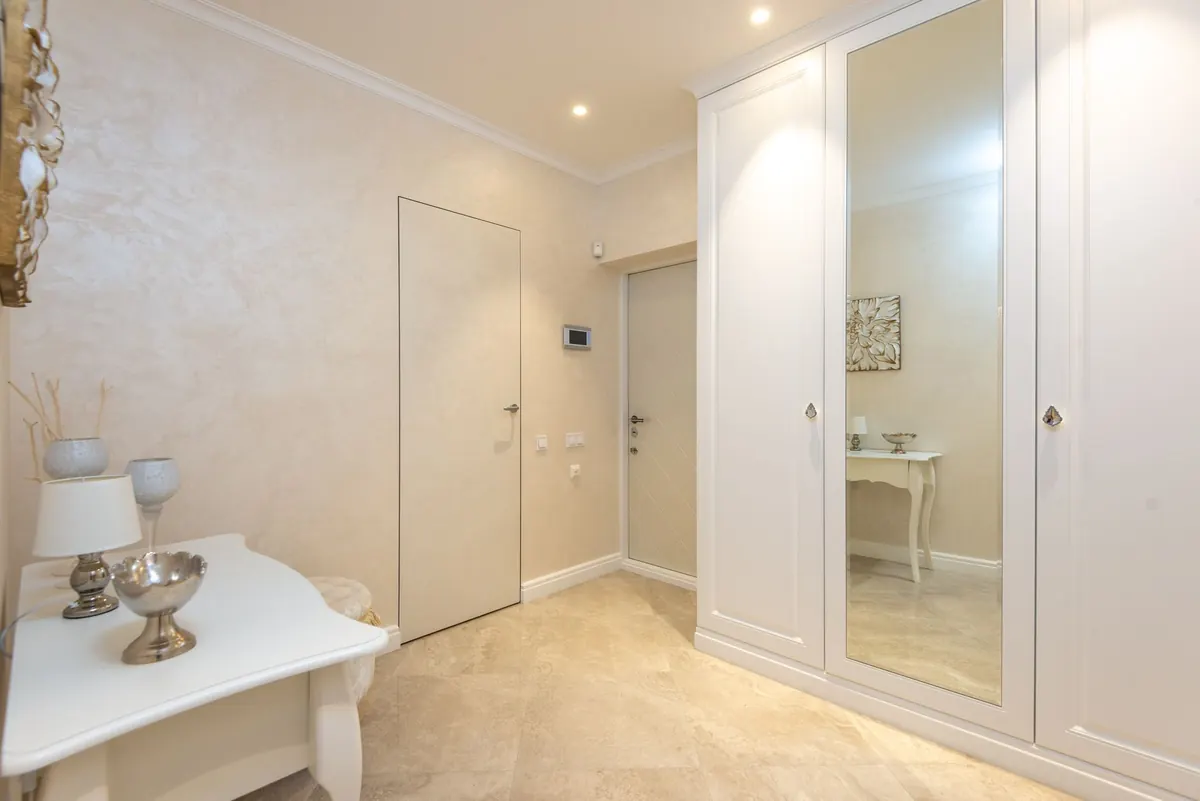
Ten practical ways to make a small UK hallway feel wider and brighter, from oversized mirrors and layered lighting...

Feather-light inspiration for beautiful rooms..