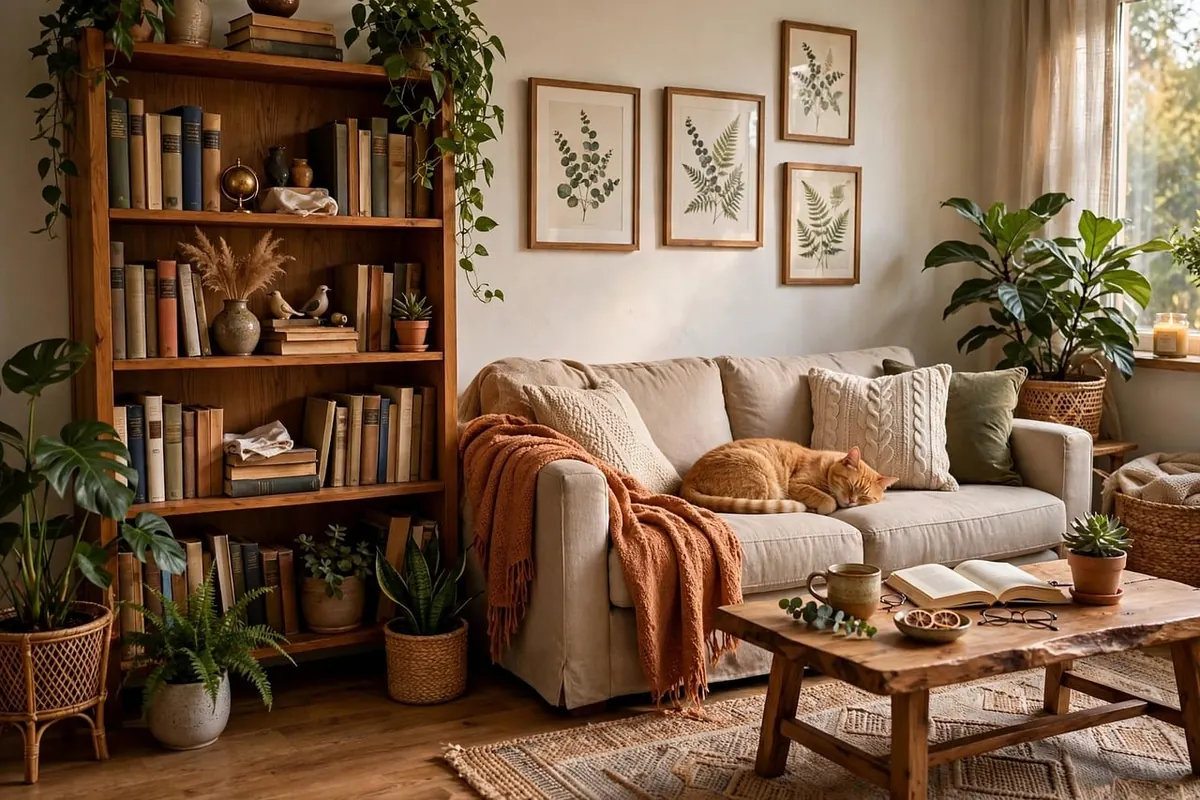
Cushions are the quickest way to change a room. A new cover costs far less than a rug, takes seconds to swap, and can lift a flat-looking sofa into something layered and comfortable without moving a single piece of furniture. The trouble is that most of us choose cushions by colour alone, then wonder why the arrangement looks tidy but lifeless. Texture does most of the work. Get the fabrics right and the colours can be almost plain; get them wrong and no amount of careful coordinating will pull it together.
Think about the last hotel lobby or waiting room you sat in. The cushions were probably matching, inoffensive and entirely forgettable. Now think of a room you loved at first sight — chances are you could picture how the cushions felt before you even touched them. That instinct is what this guide is about.
Before you think about pattern or shade, sort the fabrics in the room into three rough groups. Smooth and light-catching: velvet, satin, silk blends, brushed cotton. Matte and mid-weight: linen, cotton canvas, washed cotton, flat weaves. Nubby and textural: wool, tweed, bouclé, corduroy, chunky knits, jute. Leather and suede sit slightly apart — dense, matte and a little rustic.
A good arrangement uses two or three of those groups, not all four. One smooth cushion beside two matte ones gives a quiet, grown-up sofa. Add a wool or bouclé cushion and you have warmth without clutter. The common mistake is a row of six cushions that all feel the same in the hand, even when the colours differ. From across the room, they read as one flat block.
Try this test. Close your eyes, pick up each cushion in turn and describe it in one word: sleek, soft, scratchy, fuzzy, crisp. If every word is the same, you do not have a scheme — you have a set. If the words vary, the arrangement will read as varied from across the room too, because your eye registers those differences long before it notices a colour match.
A budget version works just as well. A plain cotton canvas cover, an inexpensive velvet-look cushion and a chunky knitted one from a charity shop will out-perform three expensive matching silk cushions, every time.
Decide where you want the light to land. Sheen draws the eye, so keep the shiny cushions where people actually sit, or where you want attention to go. A dark velvet cushion tucked into a dim corner will look muddy rather than luxurious; the same cushion on a pale linen sofa is the best thing in the room. As a general guide, one sheen cushion per seat is plenty. More than that and the room starts to feel slippery.
Pattern size should relate to the cushion it sits on. A large floral crammed onto a 30cm cushion looks chopped off; a tiny pin dot on a 60cm square disappears. Aim for one large-scale pattern, one small-scale pattern and one plain fabric in the mix. Depth of pile counts as scale, too. Deep velvet next to flat linen gives a satisfying step; two flat weaves side by side can look like you ran out of ideas.
Pick three colours: a base, a mid-tone and an accent. The base usually comes from the sofa or bed linen, the mid-tone from curtains, a rug or a headboard, and the accent from something small you already love — a lamp base, a piece of artwork, even a favourite book cover. Keep the accent to roughly one cushion in four. Tonal schemes, where everything sits within two or three shades of the same colour, work beautifully as long as the textures are doing their job.
If in doubt, keep the colours quiet and make the textures loud. A palette of cream, oatmeal and stone can feel flat in one flat weave — and quietly expensive in linen, bouclé and washed velvet.
Texture is easier to judge once the sizes are right, and sizes are where most arrangements quietly fall apart. Cushions that are all the same dimension look like a stack of tiles; cushions that vary by 15–20cm look deliberately layered.
Odd numbers generally look more relaxed than even ones, and grouping in threes — large, medium, small — is the easiest habit to fall into. If a cushion needs to be moved every time someone sits down, there is one too many.
This is where you can be boldest, because there is usually more fabric around to absorb the contrast. Start with the sofa's own material: if it is a flat linen, you have room for velvet and wool. If it is a deep velvet sofa, contrast it with crisp cotton and a woven wool or jute, and keep the sheen cushions to one so the whole thing does not glow.
Beds reward softness. Layer washed linen or cotton at the back, velvet or satin in the middle, and something knitted or bouclé at the front, where you will actually touch it. Keep the colours closer together than you would downstairs — bedrooms tolerate tonal schemes far better than living rooms do.
Hard surfaces need texture more than soft ones. A wooden bench with three cotton cushions looks like an afterthought; add a woven wool, a jute or a canvas with visible weave and it becomes a seat. For outdoors, stick to solution-dyed acrylics and sun-resistant weaves, and treat the cushion as a texture layer rather than a precious object.
Different fabrics age differently, which is both the risk and the charm. Velvet crushes and marks; linen creases and softens; wool pills; bouclé snags on rings and claws. Check the care labels before you buy, keep the most delicate weaves away from the seats that get the most use, and rotate cushions between the sunniest and shadiest spots so they fade evenly. A cheap cushion pad inside an expensive cover will undo all your good work, so match the insert to the job: firm for lumbar support, soft and squashy for a bed.
None of this requires buying a whole new set. Most rooms already contain three or four textures — a wool throw, a cotton shirt, a jute rug, a velvet scarf — and cushions simply let you move those fabrics onto the furniture. Once you stop choosing by colour and start choosing by hand, the arrangements get easier, the rooms get warmer, and you will find that the plainest cushions in the house are often the ones guests ask about.

A practical spring checklist for UK homes: cleaner windows, lighter textiles, brighter accessories and fresh...
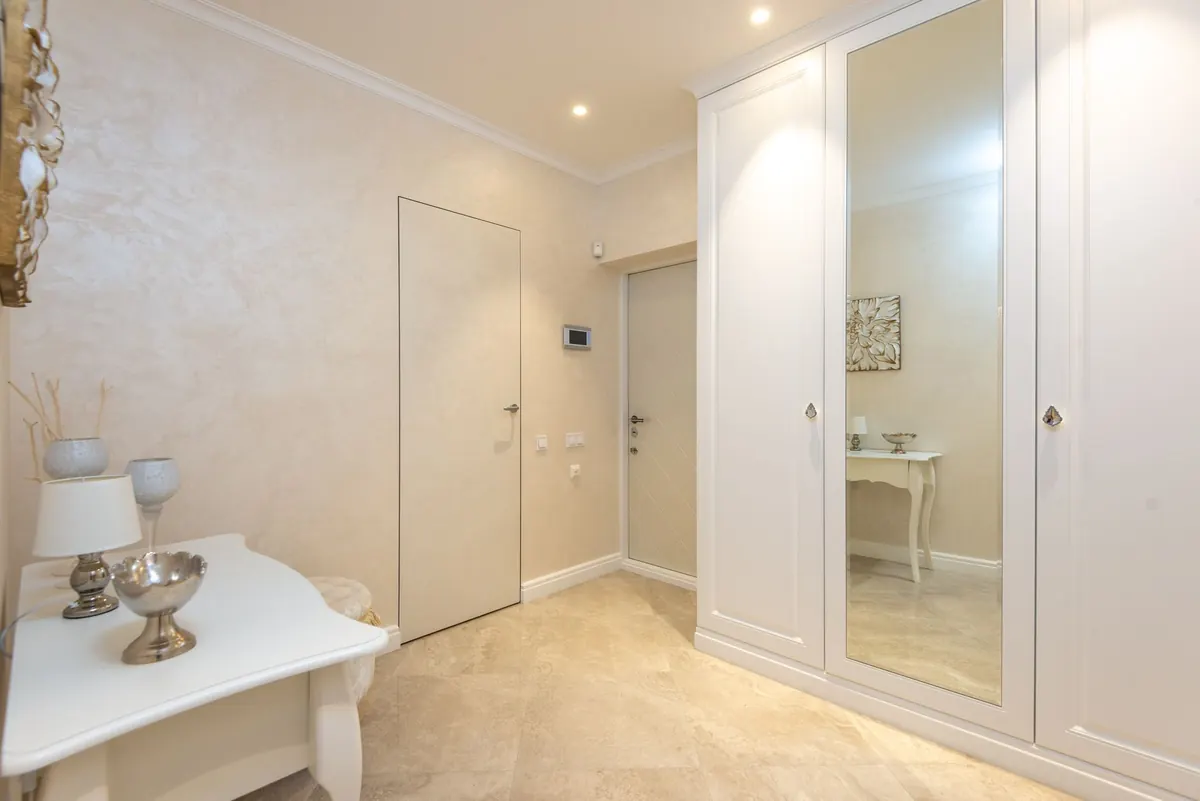
Ten practical ways to make a small UK hallway feel wider and brighter, from oversized mirrors and layered lighting...
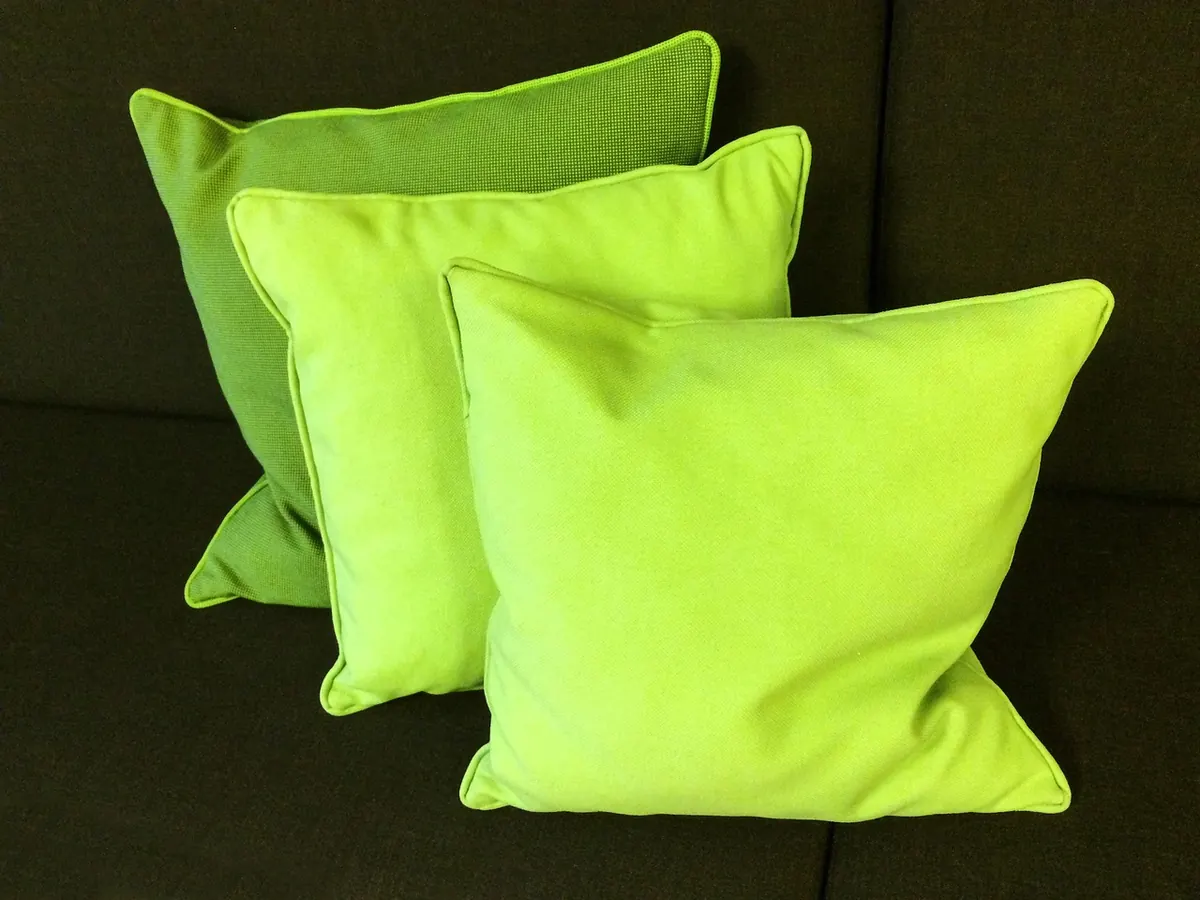
A practical guide to sofa construction for UK buyers, covering frames, cushion fillings, fabric durability and the...

Feather-light inspiration for beautiful rooms..
