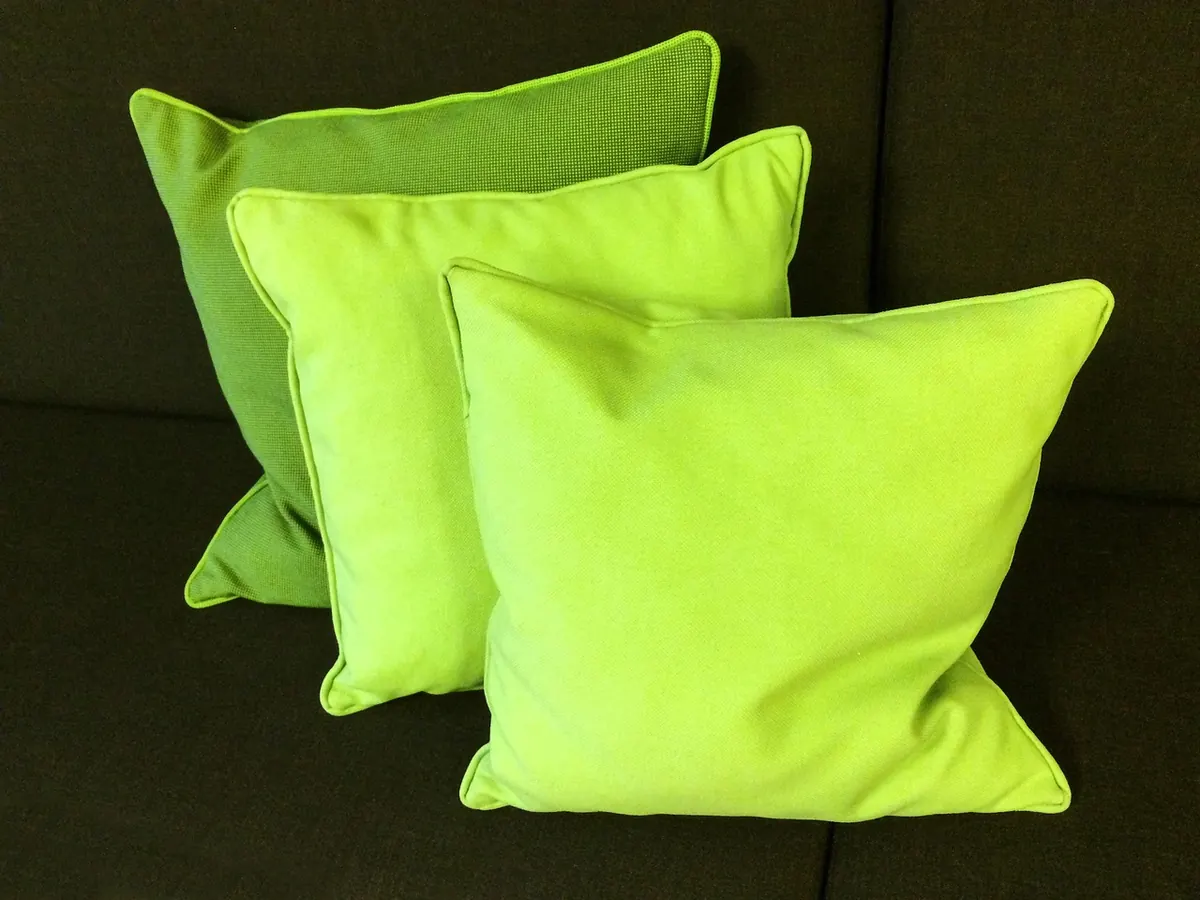
A sofa takes more punishment than anything else in the house. It gets sat on, slept on, jumped on and spilled on, and it has to look decent while it happens. Most people choose one on colour and shape alone, then wonder why it feels tired three years later. The things that decide whether a sofa lasts a decade or a drizzle are almost entirely hidden: the frame, the fillings, the weave. Here is what to look at before you hand over a deposit.
Everything else on a sofa can be reupholstered, re-stuffed or recovered. The frame is the one component you are stuck with. A good one is made from kiln-dried hardwood — beech, birch, ash and similar — because drying the timber properly stops it warping and shrinking once it is in a warm room.
Ask how the joints are put together. The best frames are dowelled, screwed and glued, with corner blocks reinforcing the load-bearing angles. A frame held together mainly with staples is a warning sign, as is structural particleboard or MDF in the arms and seat platform. Pine is cheap and light, but softwood frames tend to flex, and flexing eventually turns into creaking.
There is a simple test you can do in the showroom. Lift one front corner about 15cm off the floor and watch the opposite corner. On a solid frame, it lifts at the same time. If it stays put while the rest of the sofa twists, the frame is moving — and it will only get looser.
A sofa can feel wonderful for twenty minutes and awful for twenty years. Cushion interiors are where that is decided.
Hollow fibre and ball fibre make lovely back cushions: light, soft and easy to reshape. Foam-backed fibre holds its shape longer, which matters if you are the sort of person who never plumps anything. Fixed backs look tidier but cannot be rotated or replaced, so check whether the maker sells replacement interiors — good ones do, and that alone is worth paying a little more for.
Once it is home, treat the cushions as maintenance rather than decoration. Plump them when you get up, rotate seat cushions front to back, and turn reversible ones over occasionally. If covers are removable, wash them to the maker's instructions, not to your instinct.
Fabric durability is usually described with a Martindale rub count — a measure of how much abrasion a cloth withstands before it shows wear. Higher numbers are better, and domestic upholstery is commonly sold in bands from general domestic use up to heavy domestic. If a retailer cannot tell you the rating of a fabric, that tells you something about the retailer.
The weave matters just as much. Hold the fabric up to the light. If plenty of daylight comes through, it is loosely woven and more likely to snag on a zip, a claw or a watch strap. Tight, dense weaves cope better with busy rooms.
On fibre: linen creases beautifully and eventually wears, cotton softens with age, wool is hard-wearing and resists dirt, and velvet shows every handprint and pile direction — gorgeous, but not for everyone. With leather, the finish decides the personality. Aniline leather is natural and marks easily; pigmented or corrected leather is more uniform and much more forgiving.
If there are children, dogs or cats in the house, aim for a tight weave, a mid-tone colour that hides everyday grubbiness, and covers you can remove. Avoid pale loose weaves unless you enjoy living with a lint roller.
Nobody regrets measuring twice. Work through these before you fall in love with something online:
Frame material and joint type. Foam density or filling specification. Fabric rub rating. Whether covers are removable and cleanable. Whether legs unscrew for delivery. What the frame guarantee actually covers, and for how long. Whether the delivery team will take the packaging away. If you are ordering online, read the returns policy carefully, including who pays if the sofa does not fit through the door.
Lift rather than drag it into position, and keep it out of direct sunlight and away from radiators, which dry out leather and can shrink covers. Vacuum with an upholstery attachment, blot spills rather than rubbing them, and check the legs and any bolts after the first month or so, tightening anything that has worked loose. A sofa looked after this way should see you through several redecorations.
Photo: Didgeman / Pixabay

A practical spring checklist for UK homes: cleaner windows, lighter textiles, brighter accessories and fresh...
Learn how to combine linen, velvet, wool and cotton cushions by texture, scale and colour, and layer them...
Ten practical ways to make a small UK hallway feel wider and brighter, from oversized mirrors and layered lighting...

Feather-light inspiration for beautiful rooms..
