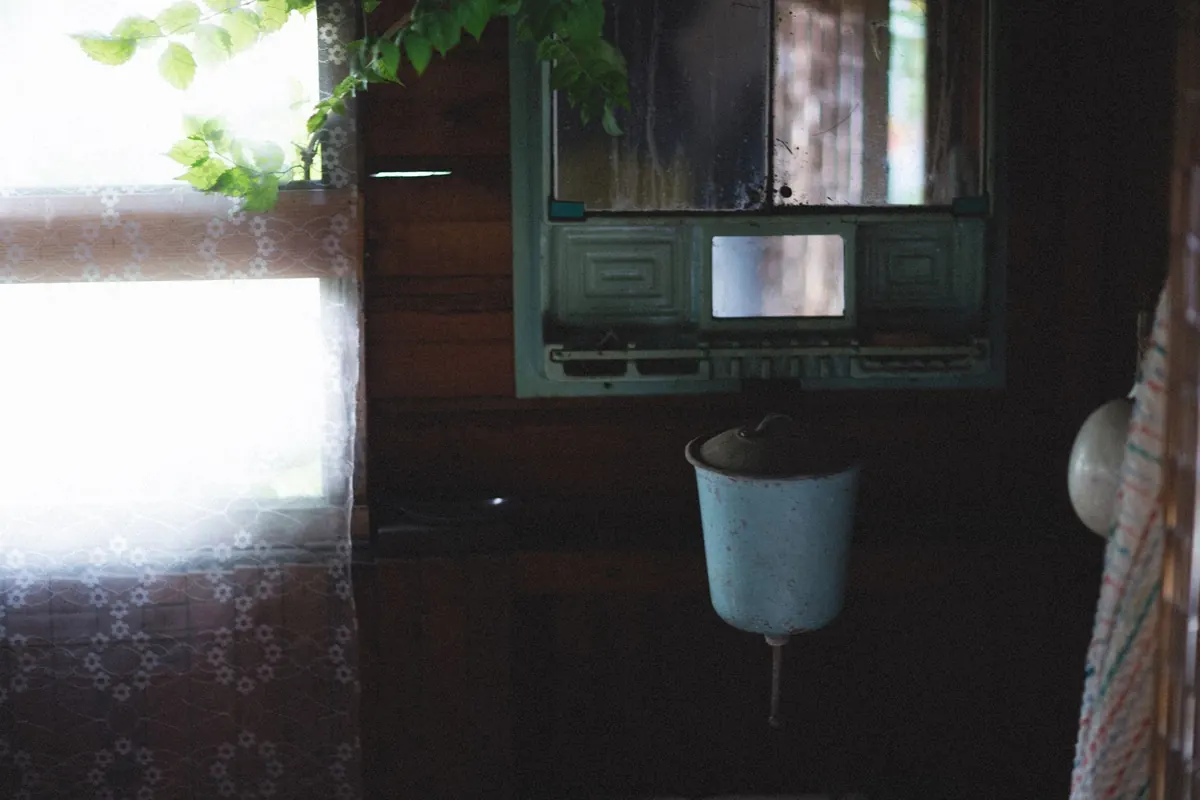
North-facing rooms get a bad reputation, and mostly it is deserved. The light that arrives is indirect, cool and even, and by three o'clock on a January afternoon it can feel as though the day has quietly given up. Nothing blazes, nothing gleams, and every shadow leans a little blue. But that flatness is also a gift. Colours stay truer here, glare is rare, and once you stop fighting the light and start working with it, a north-facing room becomes the calmest space in the house. The trick is to warm it, bounce it and layer it, in that order.
Spend a week watching the room rather than shopping for it. Note when the light is at its best and its worst, which corners never brighten, and what sits outside the glass. A window overlooking grey paving, a brick wall or a dense hedge gives you very little bounce, so the room has to supply its own.
Two things are worth checking early. First, whether the window is doing its job: clean glass, pale curtains pulled right back, and nothing bulky stacked on the sill can make a surprising difference. Second, the ceiling. A low ceiling in a dim room swallows light, and the paler and smoother you keep it, the more it will give back.
Cool greys, blue-based whites and crisp brilliant white are the usual culprits in north-facing rooms. Under cool light they turn chalky and slightly grey, and the room starts to look like a waiting area. Look instead for neutrals with a warm undertone: biscuit, oat, plaster, soft clay, mushroom, and the softer greiges that lean towards red or yellow rather than blue.
Undertones are everything, and the same colour name can behave completely differently from room to room. Test before you commit:
Keep woodwork in a warm off-white rather than a stark brilliant white. Against a north window, brilliant white reads as grey, and the contrast with the walls disappears.
Matt walls absorb light; sheen bounces it. You do not need a glossy room, but a few well-placed reflective surfaces will lift the whole space.
One caveat: too much shine in a dim room can look cheap and highlight every imperfection. Mix one or two reflective pieces with plenty of soft texture, and the effect reads as considered rather than shiny.
A mirror is the cheapest extra window you will ever buy, but only if it is hung where the light actually passes. A wall at right angles to the window is usually the strongest position, because the mirror catches light coming in and throws it sideways into the darker half of the room. Hung opposite the window, it doubles the view and adds depth.
A large leaning mirror in a gloomy corner works hard, and a smaller one behind a table lamp does something quietly lovely: it doubles the glow and makes the corner feel inhabited. Antique glass, with its soft grey bloom, suits north light better than a crisp modern mirror, which can look hard. Avoid placing two mirrors directly opposite each other unless you want an infinity of your own hallway.
A single pendant in the middle of the ceiling flattens a north-facing room and makes the corners darker by comparison. Build up three layers instead: ambient light from the ceiling, task light where you read or work, and accent light to wash walls, shelves and pictures.
Warm bulbs make an enormous difference. Look for warm white, around 2700K, and put everything on dimmers where you can. Lamps at eye level, when you are sitting, warm the room far more effectively than anything overhead. Wall lights either side of a sofa or a fireplace, a picture light over artwork, a slim floor lamp behind an armchair — each one adds a pool of warmth and a reason for the eye to travel.
If you do one thing to a north-facing room, put three lamps on separate switches and turn the ceiling light off for a week. You will not go back.
Colour gets the credit, but texture does much of the work. Wool, velvet, linen, sheepskin and chunky knits hold warmth visually even in a cool light, and they soften the reflections you have introduced elsewhere. Interlined curtains in a mid-tone rather than a heavy dark shade will keep the room warm without blocking the window.
Warm woods — oak, walnut, aged pine — sit comfortably against warm neutrals. Mix in ceramics with a glazed finish, a few books, a woven basket, and one or two plants with generous leaves. Group objects in odd numbers and give them space; a crowded shelf reads as clutter in low light, while a sparse one reads as calm.
Work in a sensible order and you will avoid repainting twice. Clear the room and clean the window first. Test your paint properly, then paint the ceiling before the walls. Plan your lighting circuits before you decorate, not after. Buy the largest pieces — rug, sofa, curtains — next, then layer in mirrors, lamps and textiles. Live with it for a fortnight before you make your final decisions on cushions and artwork, because north light changes through the day and through the seasons, and what looks flat on a wet Tuesday in November will feel entirely different in June. Warm it, bounce it, layer it, and the room does the rest.
Photo: Alexey Demidov / Pexels
A practical spring checklist for UK homes: cleaner windows, lighter textiles, brighter accessories and fresh...
Learn how to combine linen, velvet, wool and cotton cushions by texture, scale and colour, and layer them...
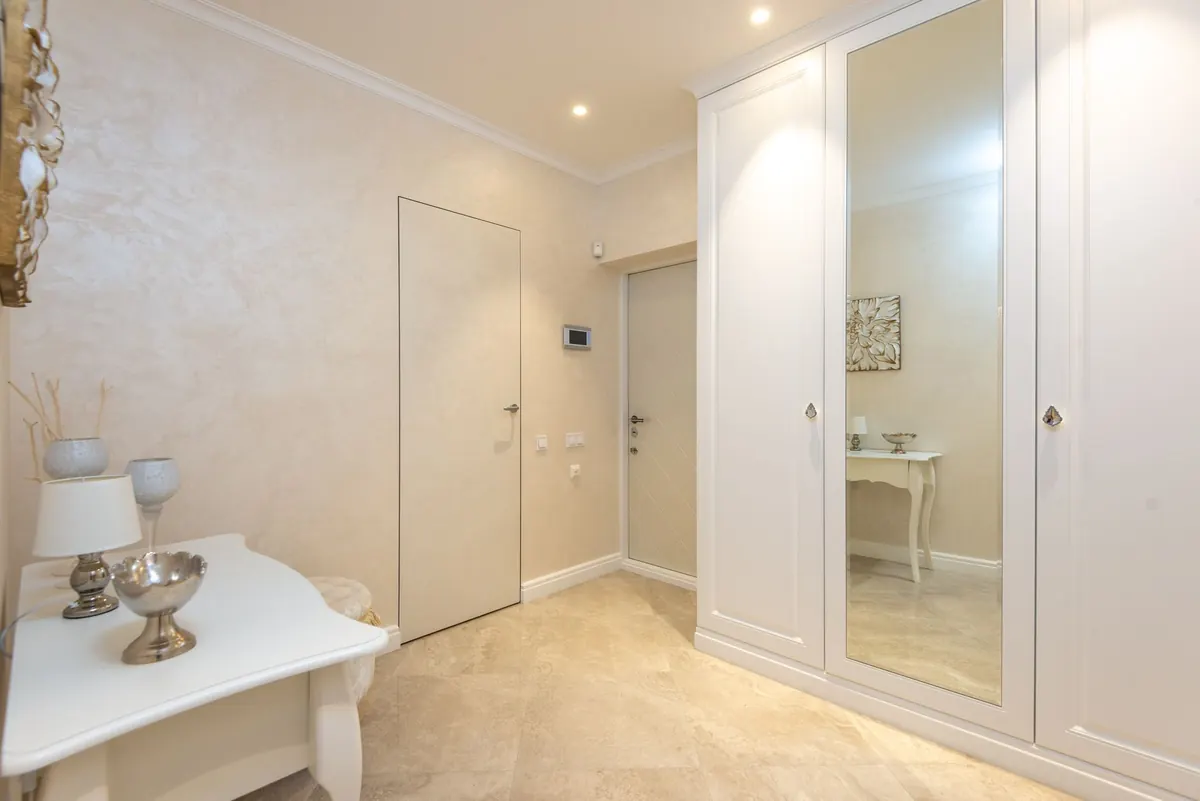
Ten practical ways to make a small UK hallway feel wider and brighter, from oversized mirrors and layered lighting...

Feather-light inspiration for beautiful rooms..